Queen Elizabeth I of England
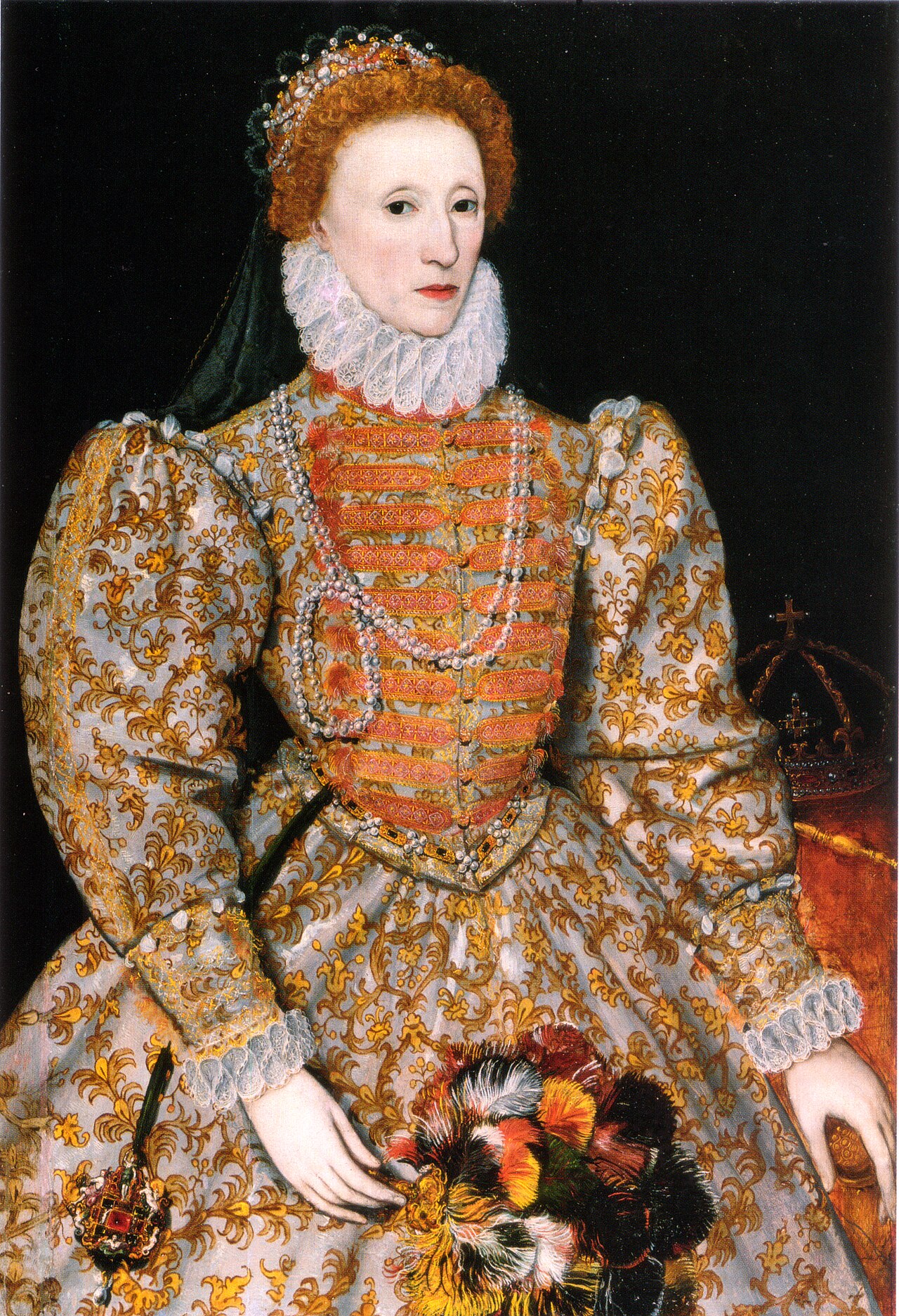
The "Darnley Portrait" of Queen Elizabeth I of England who died without an heir, allowing her cousin, James I, to inherit the throne.
Queen Elizabeth I of England died without an heir, leading to her closest relative: her cousin, King James VI of Scotland, inheriting the English throne as King James I of England. This united the crowns of England and Scotland under one monarch. However, his succession raised concerns about the legitimacy of James I as the English King. Tensions surrounding his rule were further heightened by several assassination attempts against him during this period.
The "Darnley Portrait" of Queen Elizabeth I of England who died without an heir, allowing her cousin, James I, to inherit the throne.
King James I strongly believed in witchcraft, causing him to persecute many women as witches. Under his rule in Scotland, the North Berwick witch trials took place which accused and executed many people (mostly women) of witchcraft. King James I also supported the Witchcraft Act of 1604 which made witchcraft punishable by death in England.
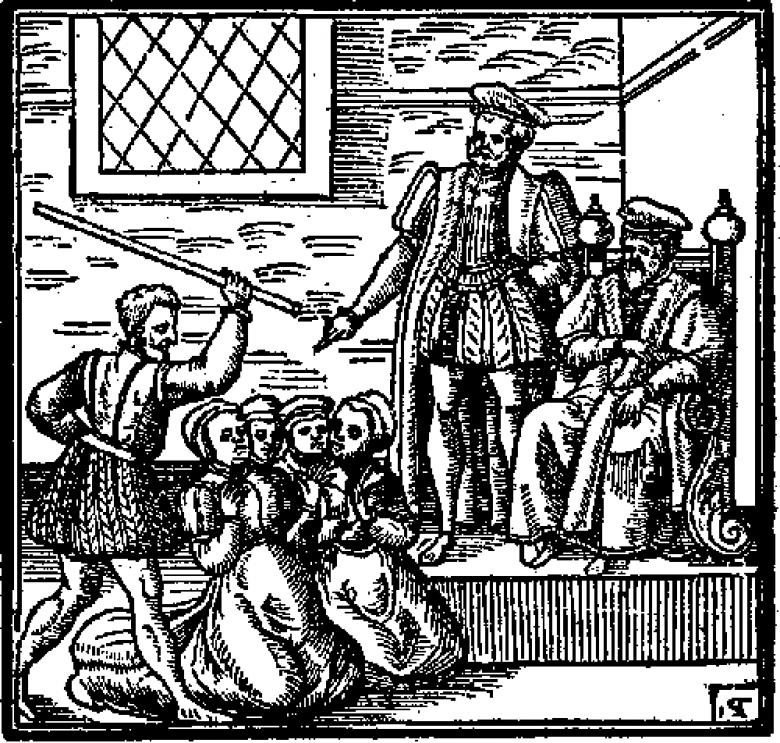
This image shows King James I ordering his assistant to require the beating and torture of the witches found during his witch hunts.
Macbeth implements the ideas of the divine right of kings from this period of time, demonstrating how illegitimate rulers can lead to disastrous consequences